






#1

#2

#3

The most commonly broken workplace rules, according to HR Acuity, are not the fish microwave variety. Favoritism and nepotism appear in 37% of workplace misconduct cases. Bullying and intimidation show up in 36%. The rules that actually matter, in other words, are being broken constantly, while the rules about desk clutter and approved footwear on casual Friday are being enforced with the energy of a small dictatorship. The priorities, across a significant number of workplaces, are visibly misaligned.
#4

Apparently a few people were only “mining couples” and then would return home to their “home spouse”. Caused issues at the Christmas parties once it was found out…
Edit: Women can work at the mine too, it’s not all brokeback mountain up there.
#5

An employee picked up a hitchhiker who had a sheep with him. Then sent selfies of the situation to her manager.
We are in a rural area, but, we're a mental health service.
#6

And most people who witness real misconduct say nothing about it. 56% of silent workers don't report because they believe leadership won't do anything, according to Consulting Mag. Between 36% and 46% stay quiet out of fear of professional retaliation. And 62% of employees believe that misconduct gets routinely overlooked if the person doing it is a manager or a high performer.
So the rules exist, the rules get broken, nobody reports it, and HR responds by writing a new policy about the refrigerator. This is the cycle, and it has been running for decades.
#7

You see Beto had a big family. Big. He had been with us for a long time, and had at least two funerals a month for people that were “Just like my mom when I was growing up” and “just like an Aunt or brother to me”. He wasn’t punished, but we had to define who was covered. No more free time off for funerals for everyone.
#8

#9

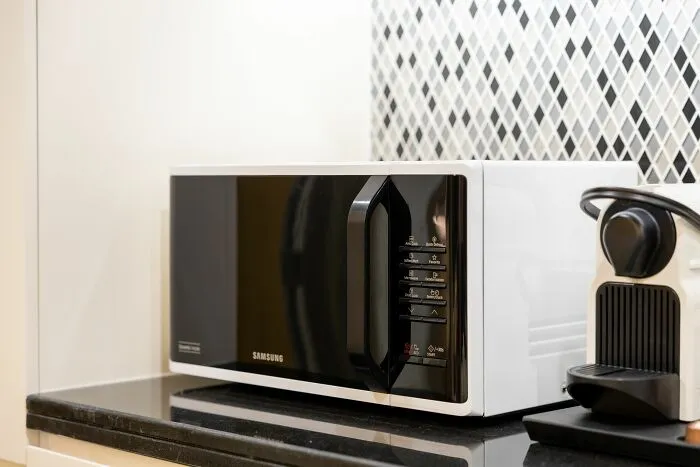
Psychologists call the blanket policy response the Lowest Common Denominator fallacy. Bob microwaves salmon every single day. Management doesn't want to have a one-minute awkward conversation with Bob. So instead, HR drafts an official amendment to the employee code of conduct: Section 4B, Strict Prohibition of Warm Marine Artifacts in the Breakroom.
This penalises every single person in the office to avoid addressing the one person actually causing the problem. The 99% pay for Bob's salmon. Bob, sensing no direct consequences, possibly microwaves something worse next time.
#10
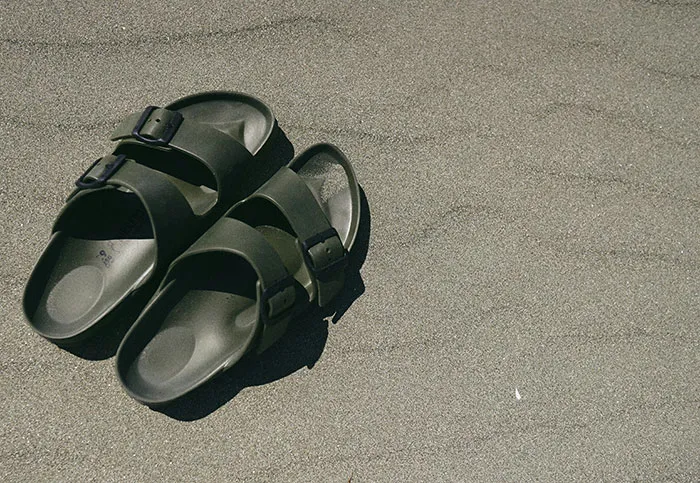
This was to stop the hippy engineer from tromping through the office in his Birkenstocks with his gnarly feet on display.
#11

Much like the employee, this did not fly with company leadership.
Among several updates and clarifications, this got the travel policy revised to include a cap for alternate travel "up to the cost of a plane ticket."
#12

The infantilisation piece makes everything worse. When workplaces strip adults of basic professional autonomy by doing things like timing bathroom breaks, banning desk items, or requiring approval for things that should not require approval, a well-documented psychological response called reactance kicks in.
People who are treated like children begin behaving like children. They sneak snacks. They hide forbidden desk items. They find creative ways to reclaim the autonomy they've been denied, usually on company time. So all these rules will backfire at some point.
#13

In both cases it was because one particular guy got so drunk he caused a scene, including starting a fight. Twice.
#15
Laszlo Bock spent years running people operations at Google and his conclusion after all of it was disarmingly simple. "If you give people freedom, they will surprise, delight, and amaze you." The rules, the policies, the laminated signs, none of them are what makes a workplace function well. What makes a workplace function well is trusting the people in it to behave like adults, and then actually letting them.
The rules in this thread exist because someone didn't do that. It is, in the end, a story about avoiding discomfort at the cost of sense. The uncomfortable conversation takes a minute, and the reward in letting the rest of your workforce feel like respected adults will far outweigh that discomfort.
Have any bizarre workplace rules ever made you think about their origin story? Tell us in the comments!
#16
#17

#18

(I worked at a scientific research station in Antarctica for a while).
#19

There are now 17 steps involving 3 people and a set of keys to put anything in an oven and 11 steps to remove it.