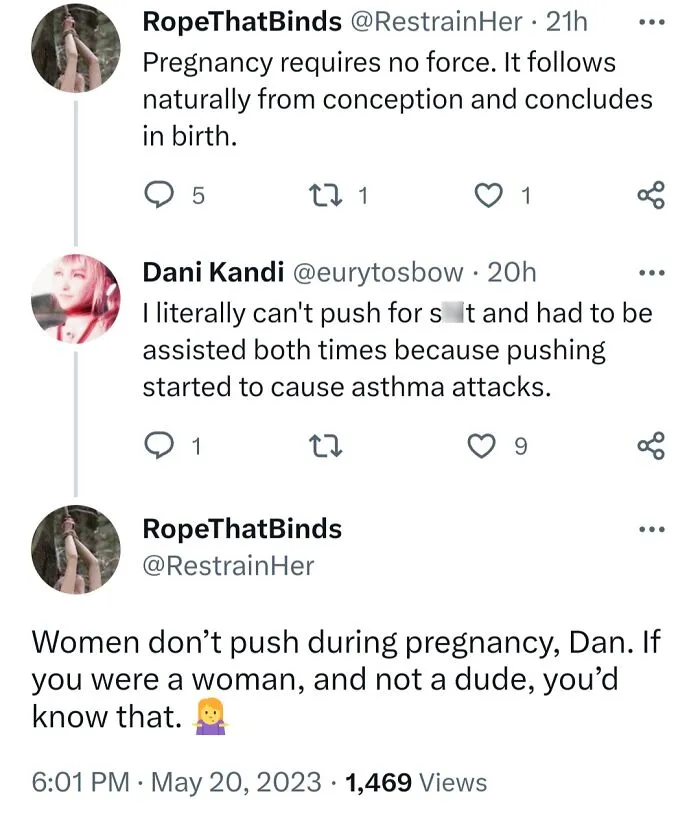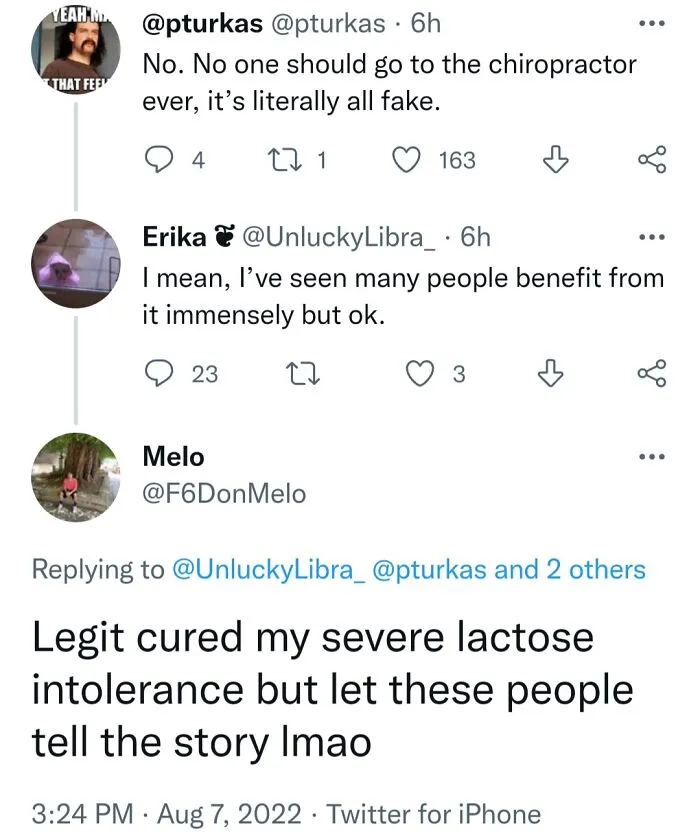




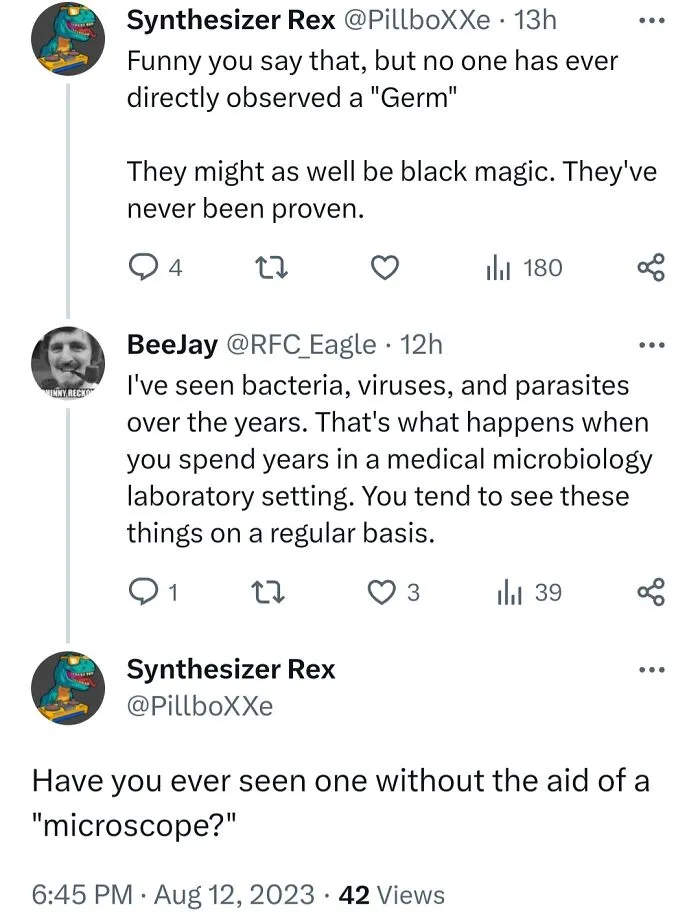
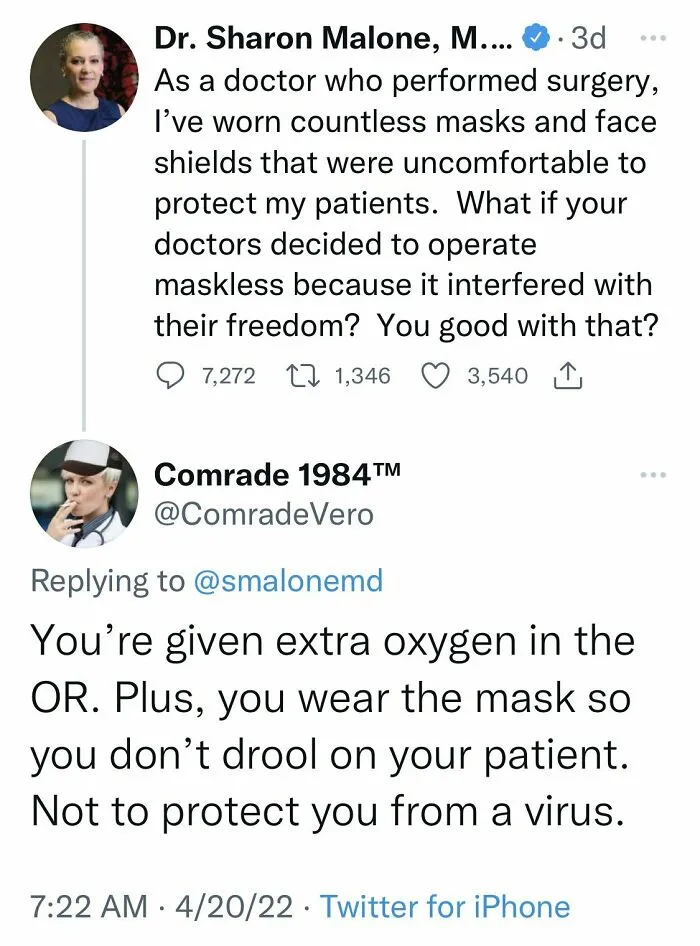
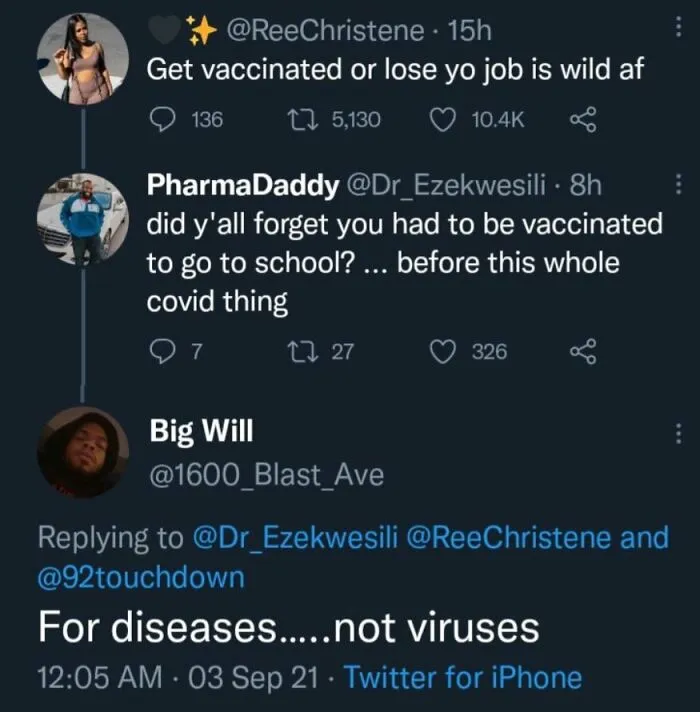
While medical misinformation has always existed, the height of the COVID-19 pandemic in 2020 and 2021 made it worse. Many people refused to trust and follow medical experts' advice and instead chose to believe random information they picked up elsewhere.
According to Harvard Medical School faculty member Dr. Robert H. Shmerling, this dangerous trend likely stems from a mix of distrust in real experts and unfounded suspicions.
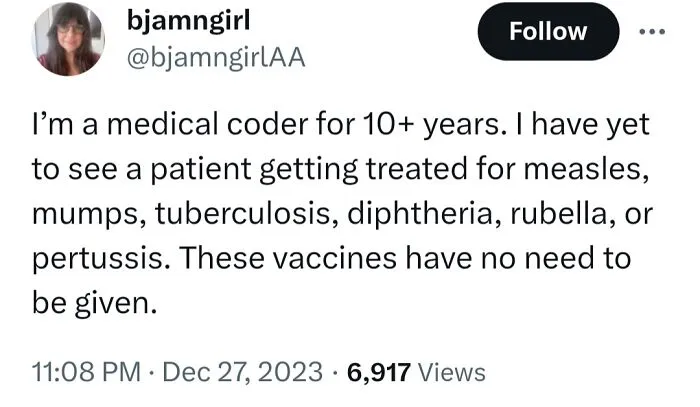
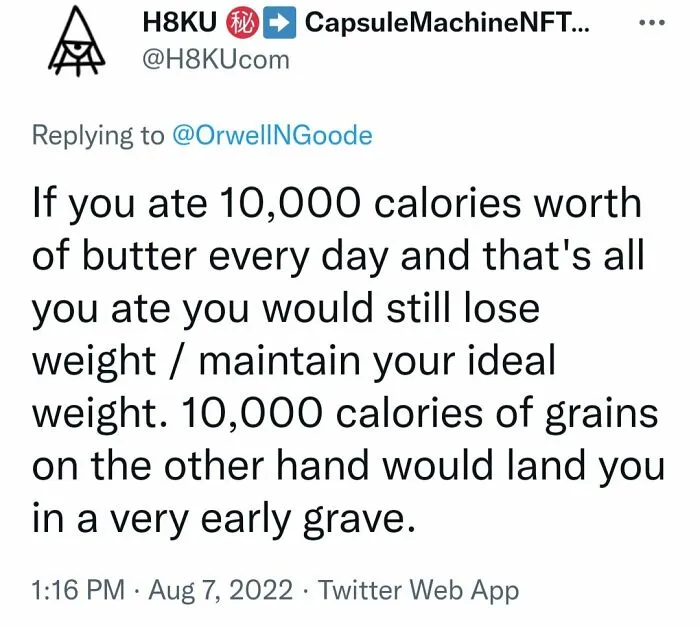
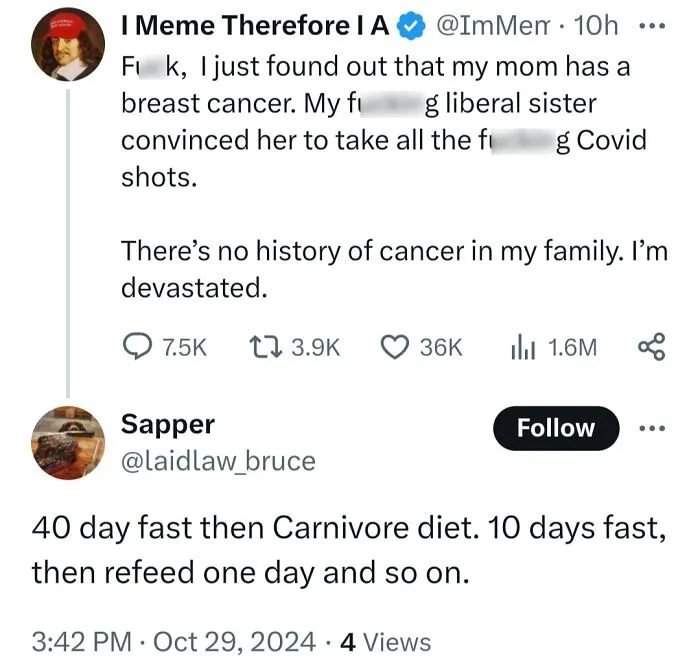
“Some people see recommendations regarding COVID-19 as attacks on American values,” Dr. Shmerling wrote in a 2021 article for Harvard Health Publishing. “At the same time, many who dismiss the advice of true experts are embracing unproven and potentially dangerous remedies, such as ivermectin pills and Betadine gargles.”
Dr. Shmerling shared possible reasons people began trusting anyone but medical experts and forming their own misguided takes. Apart from politics and social media, pseudo-experts like radiologists, cardiologists, and chiropractors – people who have actual credentials – are also making controversial opinions online.
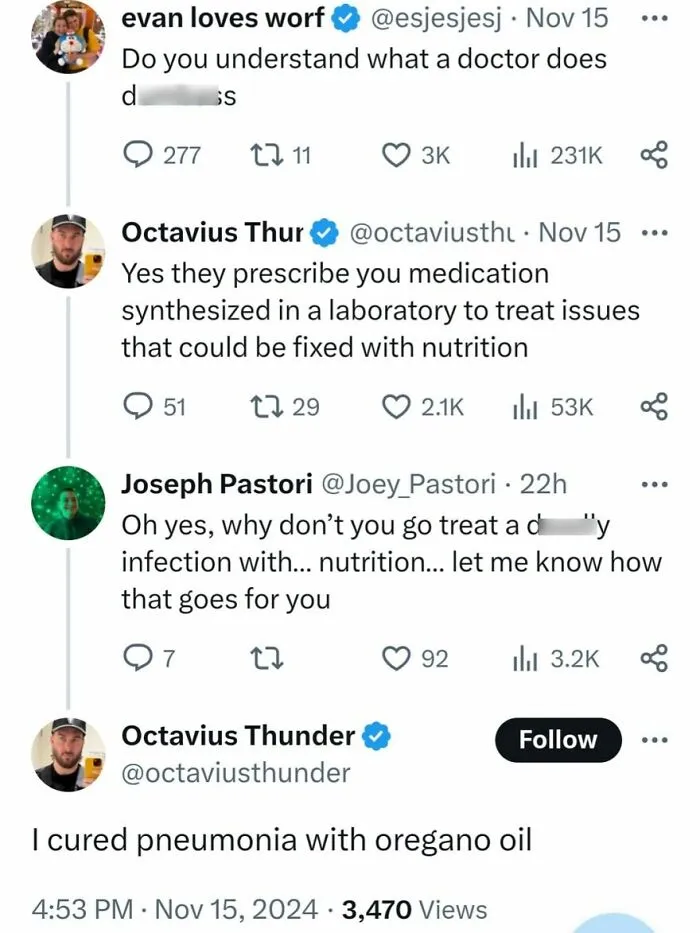
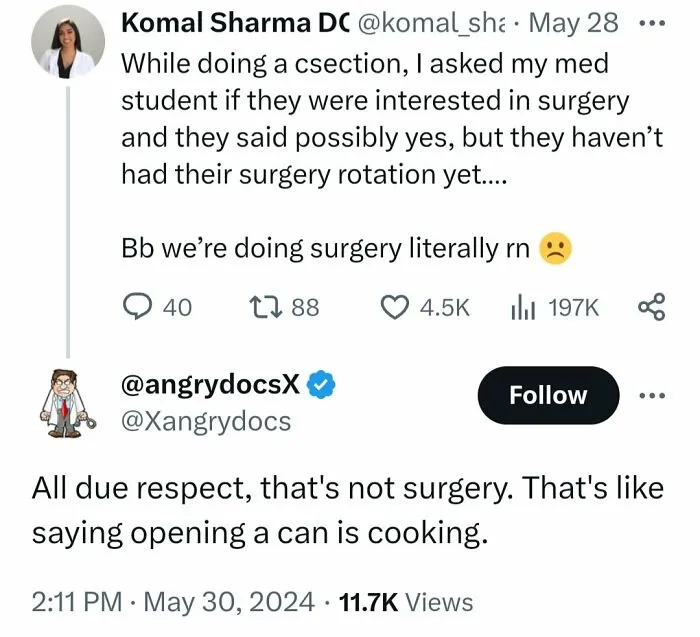
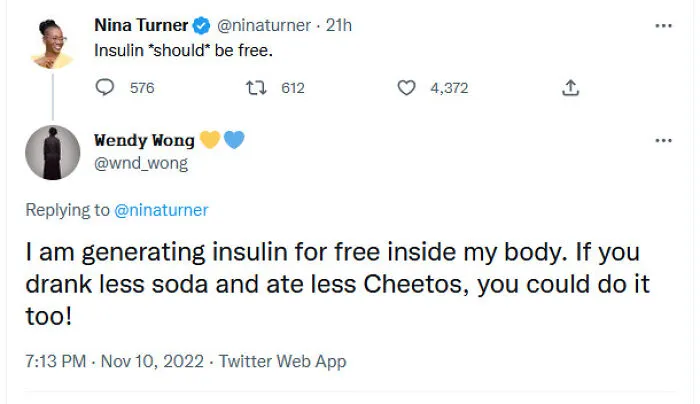
Dr. Shmerling shared possible reasons people began trusting anyone but medical experts and forming their own misguided takes. Apart from politics and social media, pseudo-experts like radiologists, cardiologists, and chiropractors – people who have actual credentials – are also making controversial opinions online.
But what about doing your own research? That, too, can be tricky and risky, according to Dr. Shmerling.

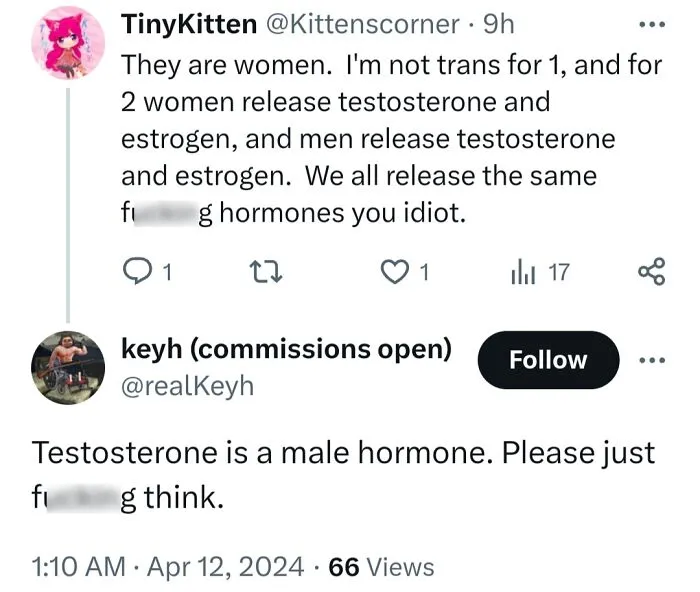
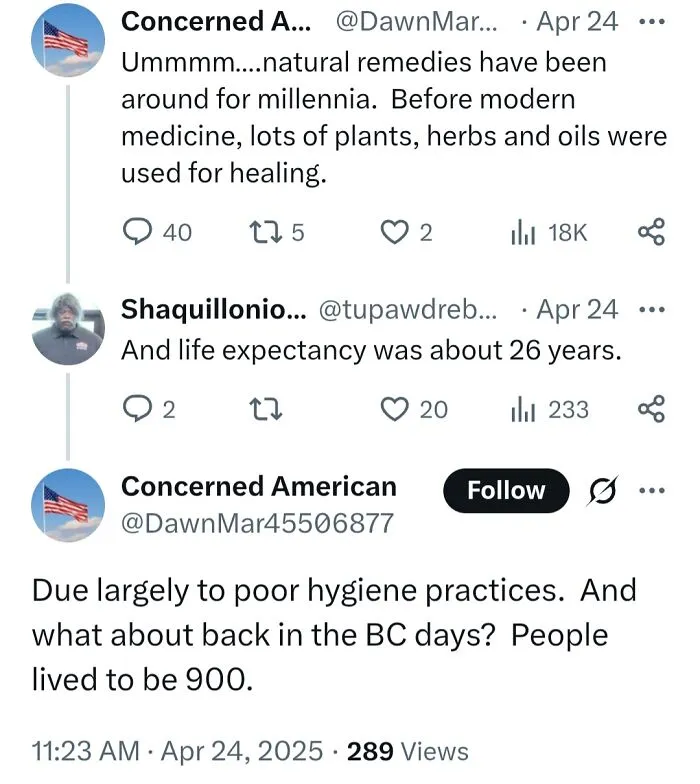
The problem with doing one's own research when it comes to medical facts is that data isn't always reliable, especially if you don't have the expertise for it. That is why Dr. Shmerling's most important advice is to always turn to professionals who can give more reliable takes.
"It's important to ask questions. But pose them to your doctor. Rely less on people who tell you what you want to hear, and more on those who trained in science and whose careers have been devoted to improving health," he wrote.
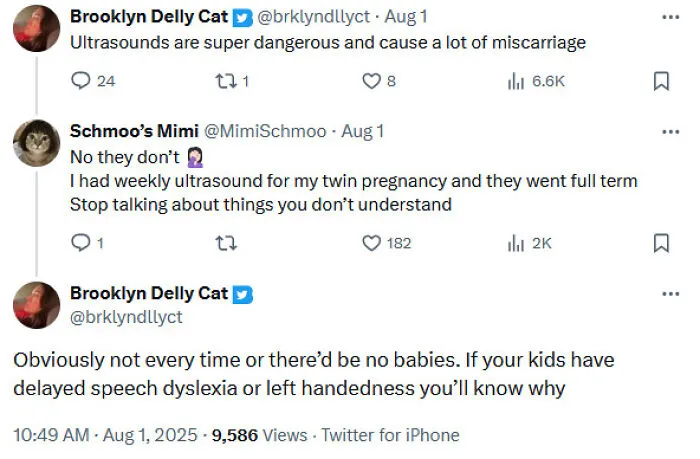
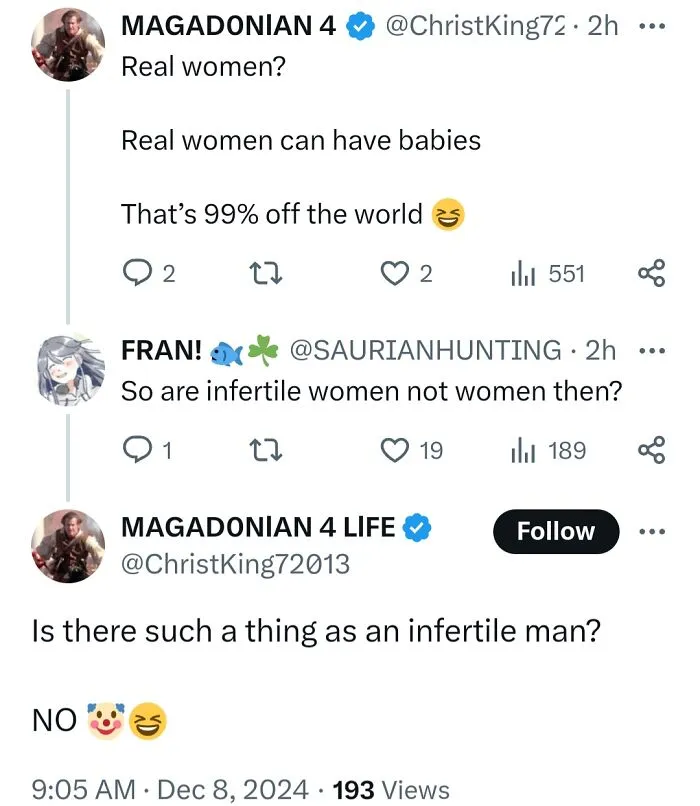
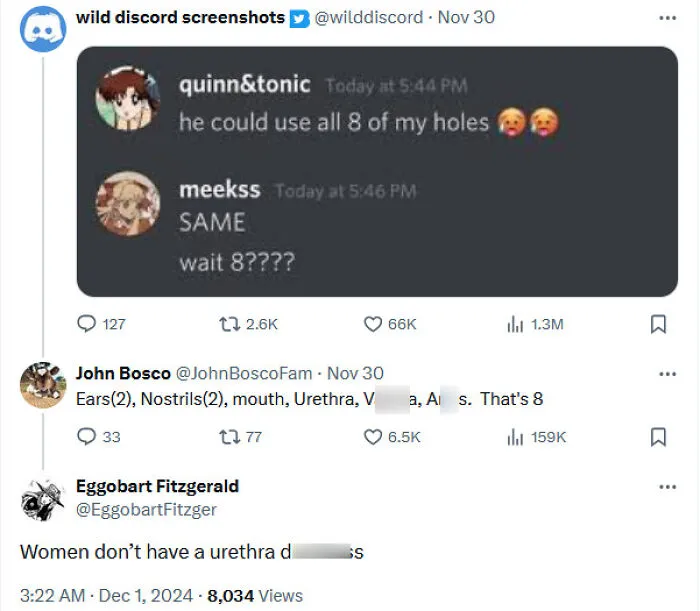
Spotting medical inaccuracies can be tricky, especially for people who rely on reputable news sites for their information. Often, these articles don't include the full story.
This is why the Mayo Clinic emphasizes the importance of going the extra mile and doing due diligence. If you're using news outlets, one thing to check are quotes of the study's authors.
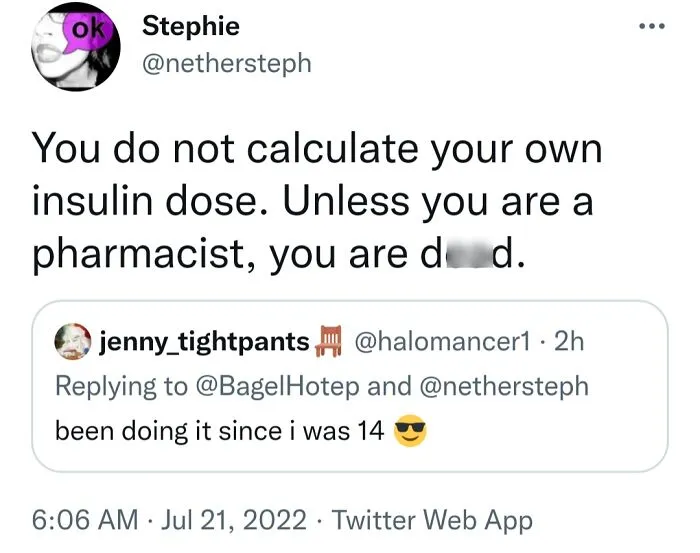
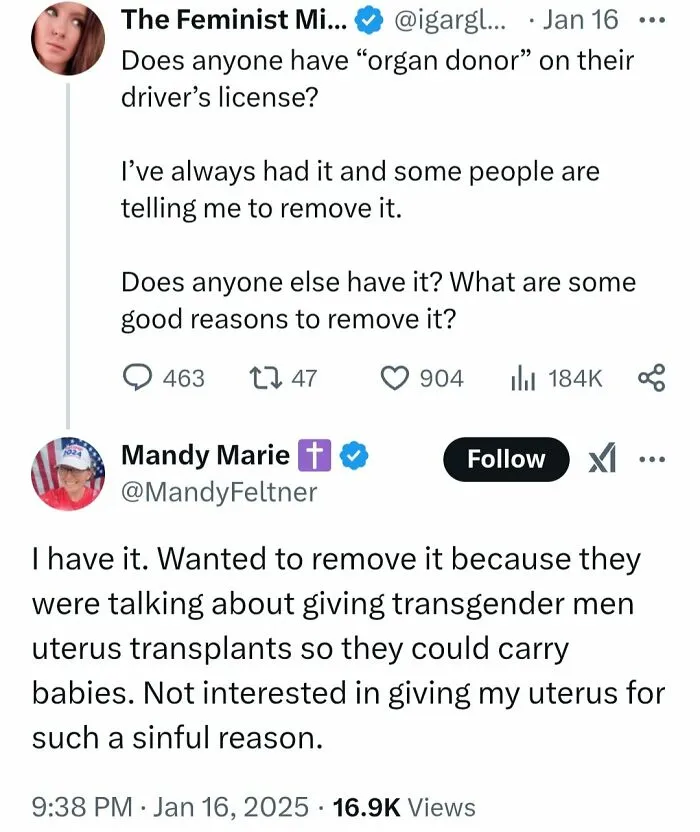
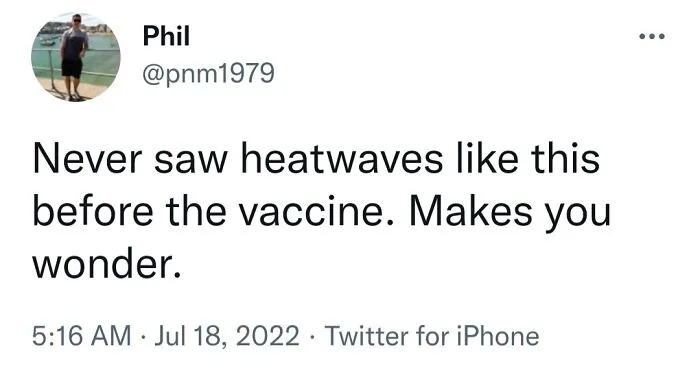
You can even go a step further and find the original study the news reported on, whether it's a medical journal article or a piece written by ann expert. If needed, have someone credible interpret it for you.
"If you need help understanding the study or how it relates to the overall research, ask your health care team to help explain it," the Mayo Clinic advises.